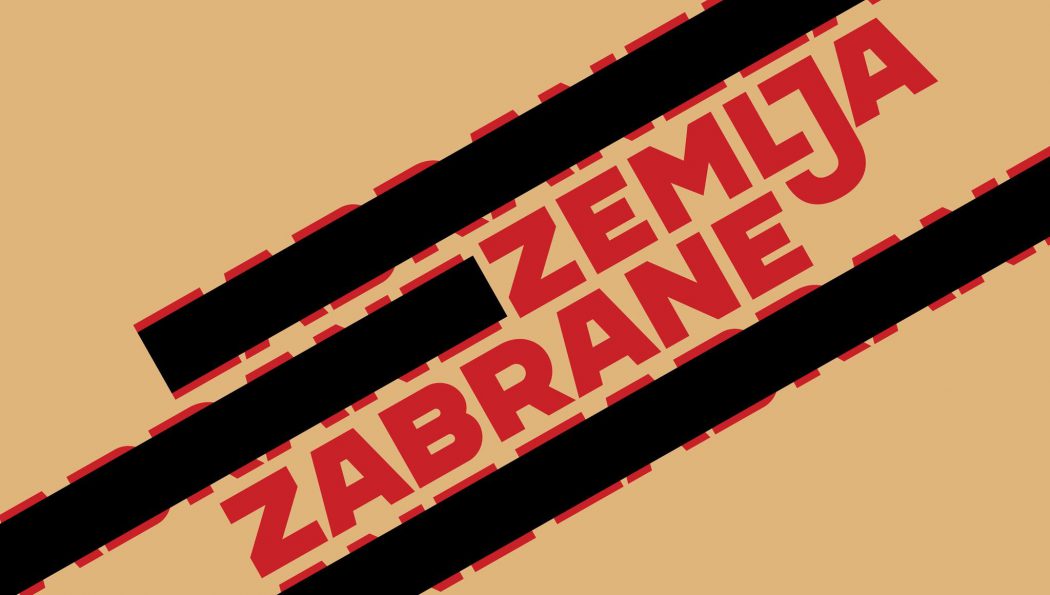
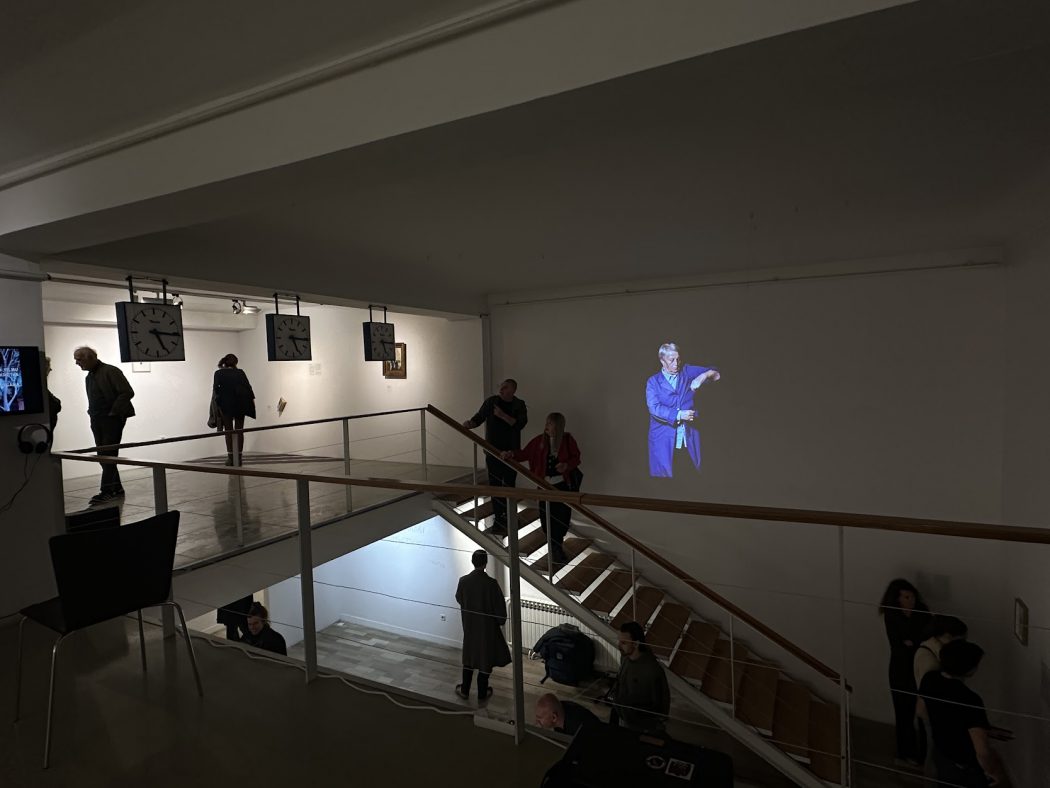
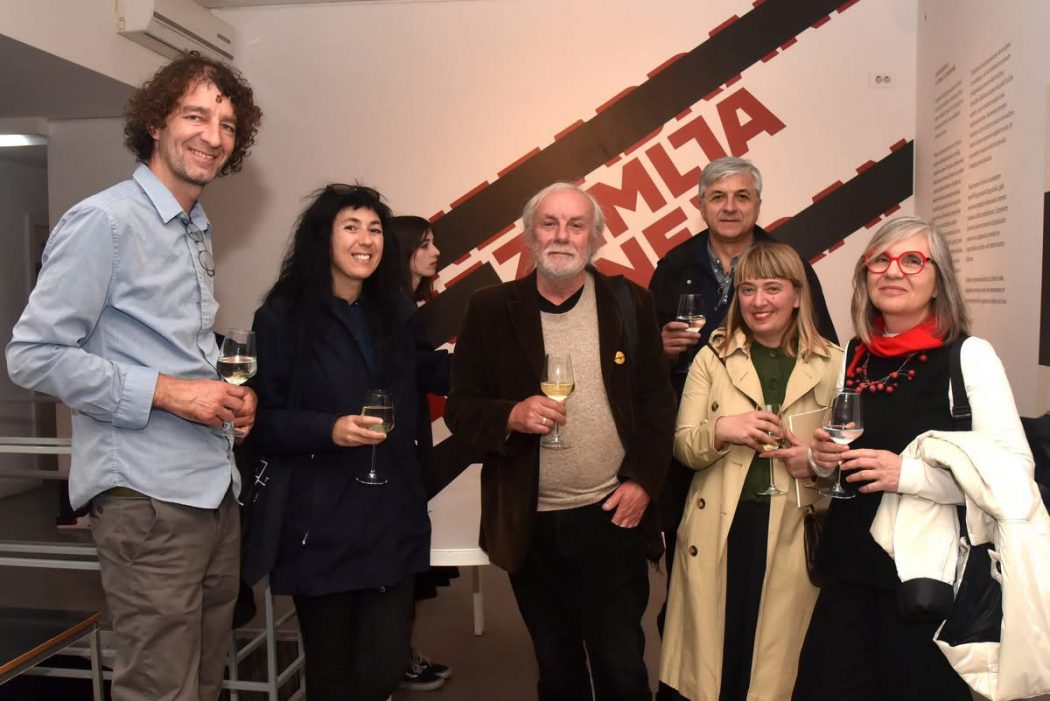
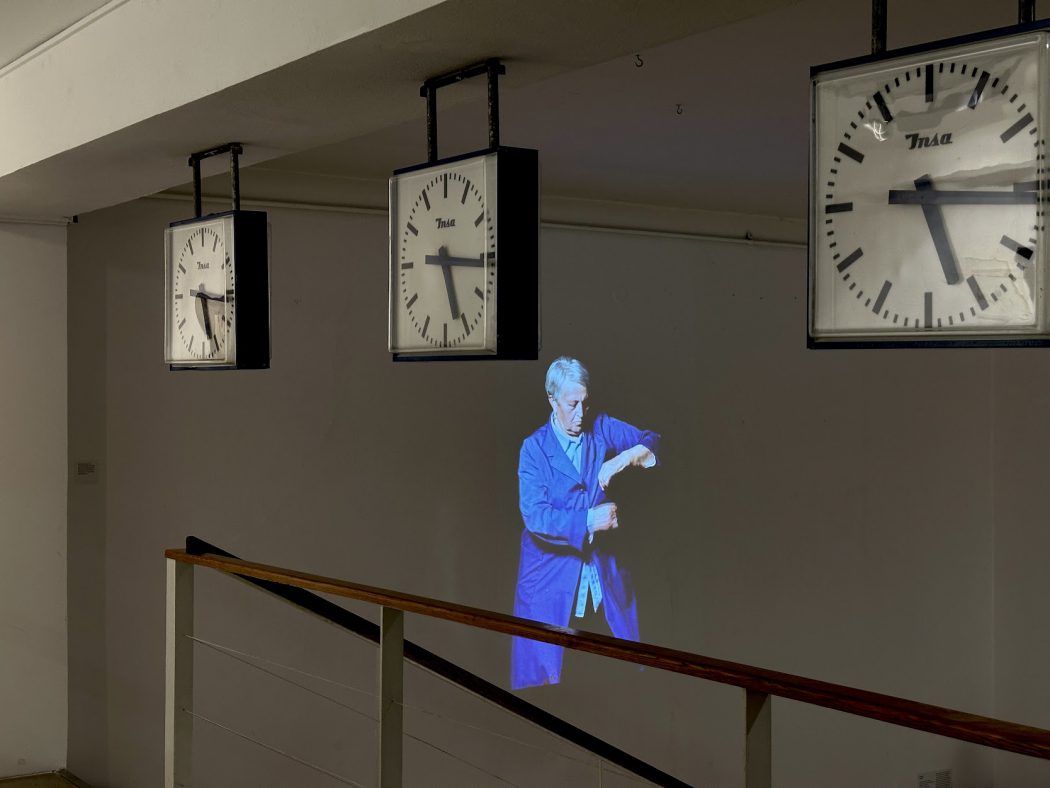
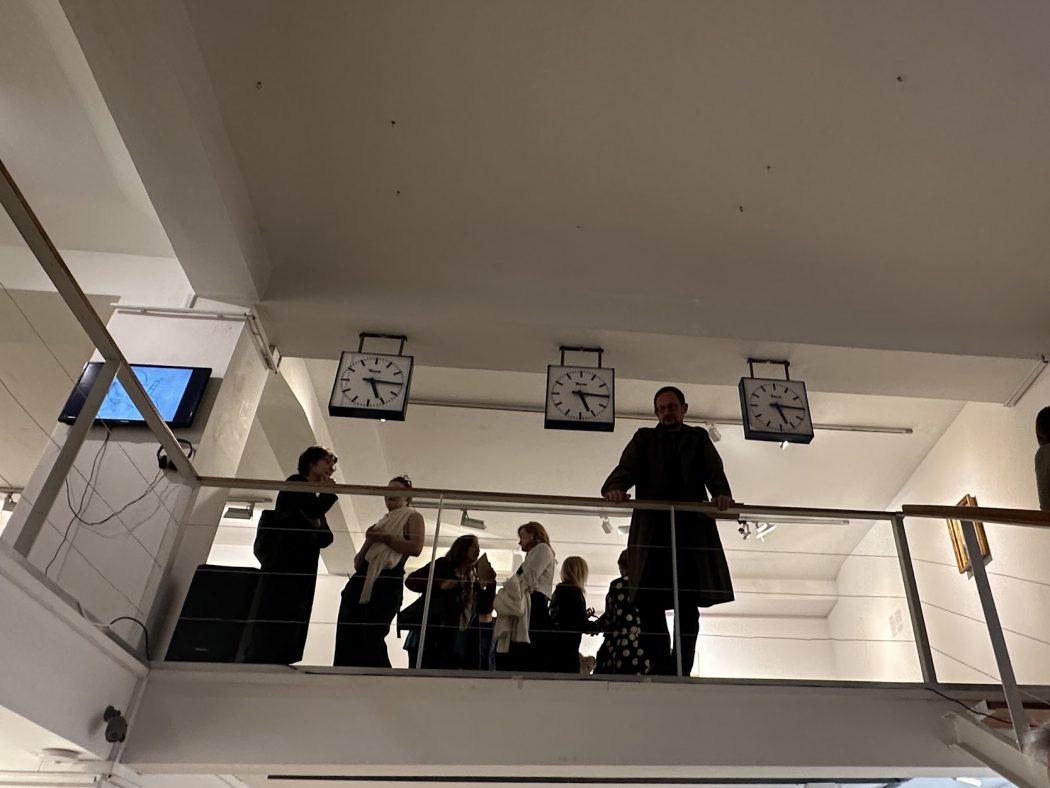
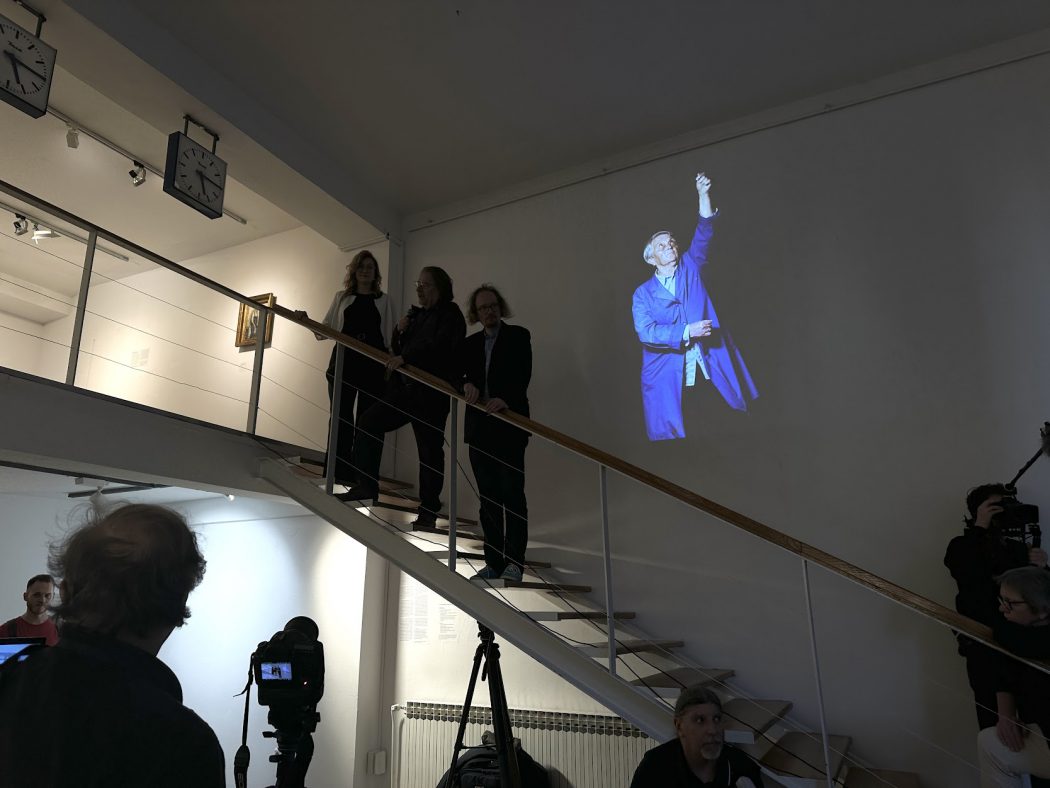
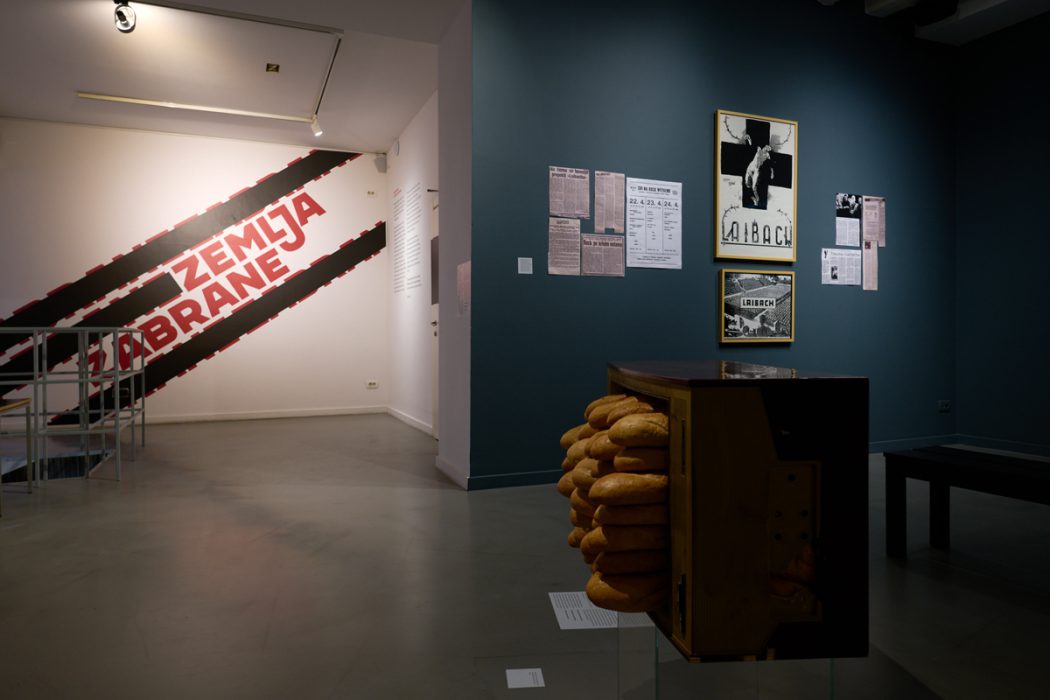
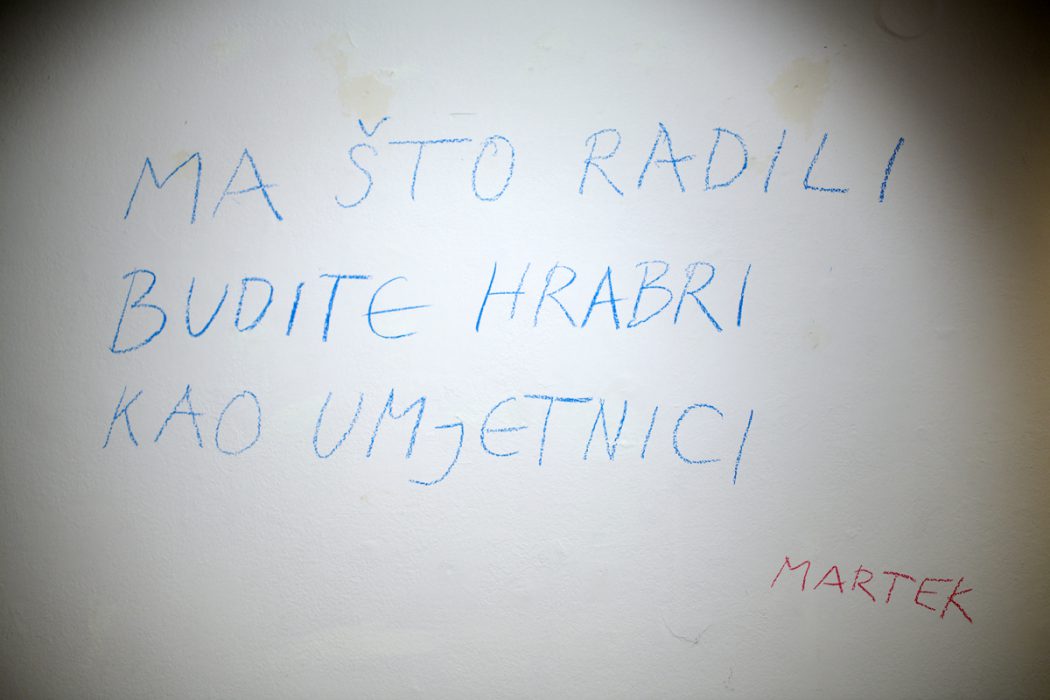
Through a striking dialogue between historical and contemporary works, the exhibition Zemlja zabrane (The Land of Prohibition) explores censorship, political pressure, and the limits of artistic freedom—from the 1930s to today. Alongside historical pieces, contemporary artists tackle themes of self-censorship, fear, and silence—raising questions that still resonate today.
At its core is the legacy of the Zemlja (Earth) artists’ association, active between 1929 and 1935. Known for their socially engaged depictions of poverty and inequality, the group clashed with authorities, culminating in a police ban of their final exhibition. That moment—symbolized by artist Krsto Hegedušić locking the doors of the Art Pavilion—anchors the exhibition’s narrative.
Curated by Davorka Perić, the show places these historical works in dialogue with contemporary artists who explore similar tensions today. While overt political censorship may be less visible, the exhibition suggests it has not disappeared—only shifted into subtler forms such as institutional pressure, market forces, and self-censorship.
Participating artists, filmmakers and musicians: Neli Ružić, Gildo Bavčević, Boris Burić, Vlado Martek, Mladen Stilinović, Božena Končić Badurina, Vlasta Delimar, Marko Paunović, Krsto Hegedušić, Marko Ristić, Ljubomir Micić alias Dr. Rasinov, New Collectiveism, Marijan Detoni, Fedor Vaić, Kamilo Tompa, Branka Hegedušić, Željko Hegedušić, Kamilo Ružička, Ernest Tomašević, Vilim Svečnjak, Oton Postružnik, Vanja Radauš, Sara Renar, Antun Mezdjić, Petar Franjić, Edo Kovačević, Obrad Gluščević, Lazar Stojanović, Marko Babac, Vojislav Kokan Rakonjac, Živojin Pavlović, Želimir Žilnik, Bahrudin ‘Bato’ Čengić, Rajko Grlić, Vlado Kristl, Srđan Karanović
Spread across Gallery Forum and the KIC Gallery, Zemlja zabrane also includes a public program of film screenings, talks, and performances, extending its focus beyond visual art. Together, these elements create a timely reflection on the limits of artistic freedom—then and now.